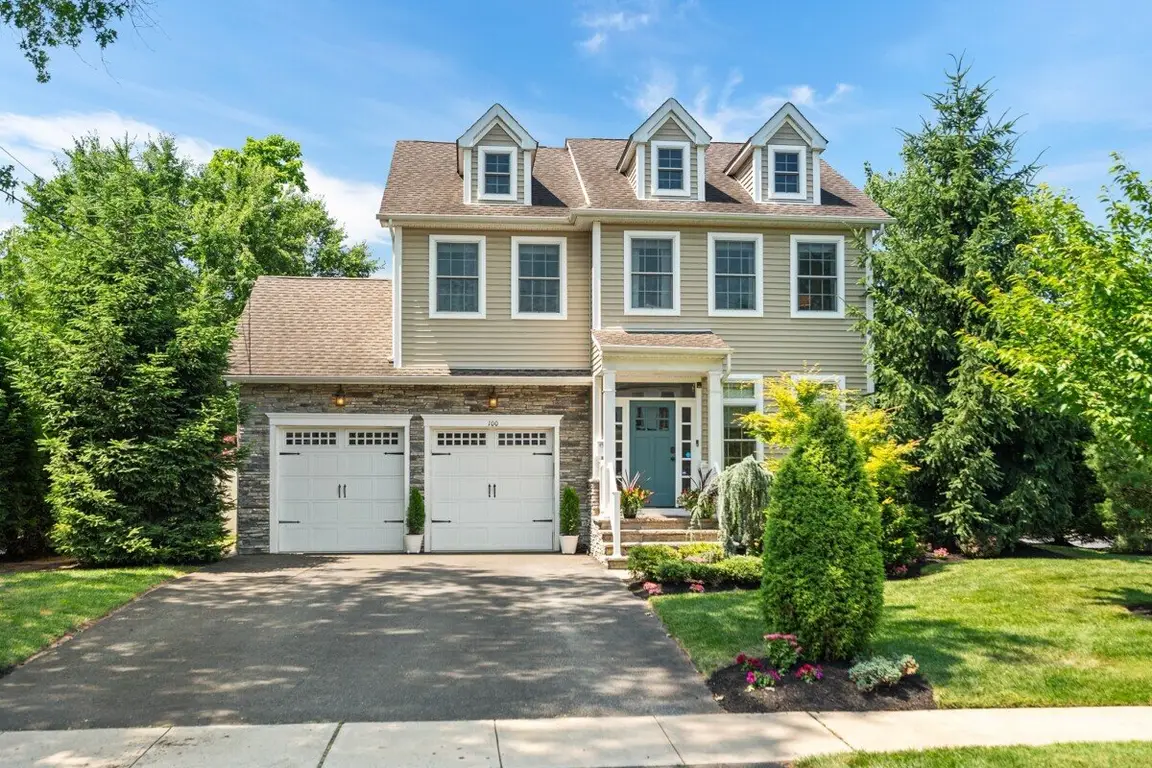

Quick answer: If you are selling a tenant occupied property in Pennsylvania, you can sell it, and the tenant does not have to leave just because you signed a sales contract. Pennsylvania law lets a landlord ask a tenant to leave only in set situations, and it requires a written notice and a court process first. So your choices are to sell with the tenant in place, to wait for the lease to end, or to sell to a buyer who is comfortable taking over the tenancy.
This article is general information, not legal or tax advice. Talk to a licensed attorney or tax professional about your situation.
Does the lease survive when you sell?
Start with the law that governs most Pennsylvania rentals, the Landlord and Tenant Act of 1951. Section 104 says a person who acquires title to real property by purchase takes on the same duties, and gets the same rights, powers and remedies in relation to the property, as the person they got the title from. In plain terms, a buyer steps into the seller’s position as the landlord.
That matters for two reasons.
- A sale is not a listed reason to end a tenancy. Section 501 of the Act names the situations where a landlord may notify a tenant to leave: the end of the tenant’s term, a breach of the lease, or unpaid rent. We did not find a sale on that list, or in the Attorney General’s tenant guide.
- The lease controls the details. The Attorney General’s guide tells renters to read the lease for renewal terms and for whether it can be ended early. If your lease says something about a sale, an attorney should read that clause before you list or sign anything.
What the tenant is entitled to: notice and process
If a tenant stays after a sale and a new owner wants possession, the owner cannot simply take it. The Attorney General’s guide is clear on the steps.
No self-help
Landlord “self-help” eviction is prohibited. That means a landlord may not change the locks or shut off utilities to push a tenant out. The landlord has to follow the process the law sets out.
Written notice to quit
The first step is a written Notice to Quit. Under Section 501 of the Act, the time the notice gives depends on the reason:
- Unpaid rent: 10 days from the date of service.
- End of term or breach of the lease, lease of one year or less (or no set end date): 15 days.
- End of term or breach of the lease, lease of more than one year: 30 days.
Court
If the tenant does not leave when the notice period ends, the landlord still cannot remove them personally. A landlord-tenant complaint has to be filed with the county’s Magisterial District Court. In Philadelphia that is the Municipal Court, and in Allegheny County it is the Housing Court.
Philadelphia has extra layers
Philadelphia adds its own rules on top of state law. In 2019 the City announced a “good cause” eviction law that applies to residential leases of less than one year and requires written notice of the reasons at least 30 days ahead, and the Attorney General’s guide notes that cities such as Philadelphia may run eviction diversion or mediation programs. The 2019 release is archived, so confirm the current rules with the City or an attorney before relying on them. Philadelphia also requires a rental license, which comes up again below.
Security deposits when the property changes hands
The Act sets rules for deposits on residential leases:
- In the first year, a landlord cannot require more than two months’ rent as a deposit. In later years, no more than one month’s rent.
- Deposits over $100 go into an escrow account at a regulated bank, and the landlord must tell the tenant in writing the name and address of the bank and the amount. The Act also allows a bond to be used in place of escrow.
- Within 30 days after the lease ends or the tenant surrenders the unit, the landlord must give a written list of damages along with any money owed back. A landlord who misses that deadline can lose the right to withhold anything and can owe the tenant double the amount that should have been returned.
The sections of the Act we read do not lay out a step-by-step process for handing a deposit to a buyer at closing. What they do show is that the deposit belongs to the tenant, that the landlord has to account for it, and that a buyer takes on the seller’s duties. A sensible seller settles in writing, before closing, who holds each deposit and how the tenant will be told. Ask your attorney or the title company how that gets handled in your sale.
Selling with tenants vs. selling vacant
Selling with the tenant in place
- Pros: The tenant keeps paying while you sell, and you avoid a notice and court process you may not need.
- Cons: Many buyers want a house they can move into, and showings have to work around the tenant.
Selling vacant
- Pros: More buyers can bid, and the property is simple to show.
- Cons: Getting it vacant legally takes time. The tenant can stay until the lease ends or until a lawful notice and court process runs its course, and you cannot speed that up with locks or utility shutoffs. If the tenant agrees to leave on their own terms, put that agreement in writing with an attorney’s help.
Who buys a tenant occupied property?
- Owner-occupants who plan to live in the house usually want it empty, so a lease that runs for months can be a deal breaker for them.
- Rental investors may be happy to keep a paying tenant in place, but they will want to read the lease and see the rent history.
- Cash buyers like J.O Properties buy as-is, which can make it easier when the property needs work, has a messy lease situation or simply is not worth your time to prepare for a regular listing.
Selling a tenant occupied property for cash, as-is
If you want out without fixing things up or arranging showings, a direct cash sale is one option. With J.O Properties:
- You do not make repairs, and we buy as-is.
- There are no agent fees, and you pick the closing date.
- You can get a fair cash offer within 24 hours, and we can close in as little as 7 days when it allows.
- There is no obligation to accept an offer.
A tenant occupied rental is looked at case by case. Whether we can buy it, at what price and on what terms depends on the property and the lease, so eligibility and closing terms are not guaranteed. Ask your attorney or title company how closing costs are handled in your sale. When you request an offer, tell us about the tenant, the lease end date and the rent, so we can give you a straight answer. If you are comparing this to a similar situation in another state, read our post on selling a rental property with tenants in New Jersey. You can also see how we work across the state on our Pennsylvania page, or on our pages for Philadelphia and Norristown.
If the property is in Philadelphia
The City’s rental license page says that rental licenses are not transferrable, and that the new owner of a previously licensed property must close the old license and apply for a new one. The page also says the City does not accept an agreement of sale or a sheriff’s sale receipt as proof of ownership, but it does accept a recorded deed or a settlement sheet signed by buyer and seller. Talk to the buyer or your attorney about who handles that step and when.
Frequently Asked Questions
Can I sell a house that has a tenant in it in Pennsylvania?
Yes. Nothing in the Landlord and Tenant Act or the Attorney General’s guide that we read says a landlord cannot sell a rented property. The sale does not by itself end the tenant’s right to stay, and the buyer takes on the seller’s duties as landlord.
Does a new owner have to keep the existing tenant?
A sale is not one of the listed reasons a landlord may give a tenant a notice to quit. The reasons in Section 501 are the end of the tenant’s term, a breach of the lease and unpaid rent. What the lease says about a sale, and what the new owner can do, depends on the facts, so have an attorney read the lease.
Can I make the tenant leave before closing?
Not by force. Pennsylvania prohibits self-help eviction, such as changing locks or turning off utilities. A landlord must give a written Notice to Quit and, if the tenant does not leave, file a complaint in court. A tenant may also choose to leave voluntarily, and any agreement should be in writing.
What happens to the tenant’s security deposit when I sell?
The Act caps deposits, requires escrow for amounts over $100 and sets a 30-day deadline for accounting after a lease ends. It does not spell out a transfer step in the sections we read, so agree in writing before closing who holds the deposit and how the tenant will be told. Your attorney or title company can help.
Get a cash offer from J.O Properties
If you own a rented house in Pennsylvania and want to talk through a sale, get a cash offer from J.O Properties or call or text us at (609) 546-4059. J.O Properties has 7+ years in business, 500+ homes bought and a 5.0 Google rating, and you are never obligated to accept an offer.
Sources
- Pennsylvania General Assembly, Landlord and Tenant Act of 1951 (Act 20 of 1951), Sections 104, 501, 511.1 to 512
- Pennsylvania Office of Attorney General, Consumer Guide to Tenant and Landlord Rights (version 1.1, June 13, 2022)
- City of Philadelphia, Get a Rental License
- City of Philadelphia, Mayor Kenney Signs “Good Cause” Eviction Bill into Law (January 2019, archived)